There was a time when hitting gold or platinum status meant a country artist had officially arrived. It meant a massive paycheck, radio dominance, and a guaranteed spot in the grand lineage of Nashville stardom.
Today, hitting those same milestones often looks like tens (or hundreds) of millions of digital plays across Spotify, Apple Music, and Amazon. The music is reaching more ears than ever before, but when the monthly royalty checks arrive, the reality is far more complex.
Streaming changed everything about how money moves in country music, and not always in the direction artists hoped.
The Math Behind a Billion Streams
To understand the modern music economy, you have to break down the actual payout structure. On average, major digital streaming platforms pay out between $0.003 and $0.005 per stream.
While the exact rate fluctuates based on whether the listener is on a paid subscription tier or an ad-supported free plan, as well as the country they are listening from, let’s look at what a massive milestone actually yields on paper.
| Stream Count | Gross Royalty Revenue (Avg. $0.004/stream) |
| 10,000,000 streams | $40,000 |
| 100,000,000 streams | $400,000 |
| 1,000,000,000 streams | $4,000,000 |
A billion streams generates roughly $4,000,000 in gross mechanical and master royalties.
While $4 million sounds like a massive victory, that lump sum is rarely what hits the artist’s bank account. Before an artist sees a dollar, that pool of money is divided among several key players:
- Record Labels: Major label deals can take anywhere from 50% to 80% of master royalties, depending on the contract terms and unrecouped budget advances.
- Songwriters & Publishers: A significant portion of publishing royalties goes to the team behind the pen—often split between 3 to 5 co-writers and their respective publishing houses.
- Managers, Lawyers, & Business Managers: Standard industry commissions deduct another 15% to 20% off the top.
By the time a gross payout of $4 million filters through labels, publishers, co-writers, management, taxes, and initial production advances, a main artist signed to a traditional major label deal might only net $200,000 to $500,000 from a billion streams. Split that across a three-year album cycle, and streaming alone rarely sustains a full career.
The Gap Between Streaming Fame and Touring Reality
In previous decades, recorded music was the primary profit driver, and touring was a promotional tool to sell CDs and vinyl. Today, that model has flipped entirely. Streaming is the advertisement; touring is the business.
However, streaming popularity does not automatically translate into ticket sales.
Why Viral Plays Don’t Always Fill Arenas
- Passive vs. Active Listening: Playlists like “Hot Country” or “Country Gold” generate millions of passive plays. Listeners enjoy the track while driving or working, but they may not even notice the artist’s name, let alone pay $80 to see them live.
- Skyrocketing Touring Overhead: Tour buses, diesel fuel, venue insurance, sidemen salaries, and production gear have increased sharply in cost over the past few years.
- The Middle-Class Artist Pinch: Artists with a few million monthly streams can easily get caught in a dangerous middle ground: too big to tour cheaply out of a van, but not drawing enough paid ticket sales to cover the costs of a full arena setup.
How Independent Country Is Rewriting the Rules
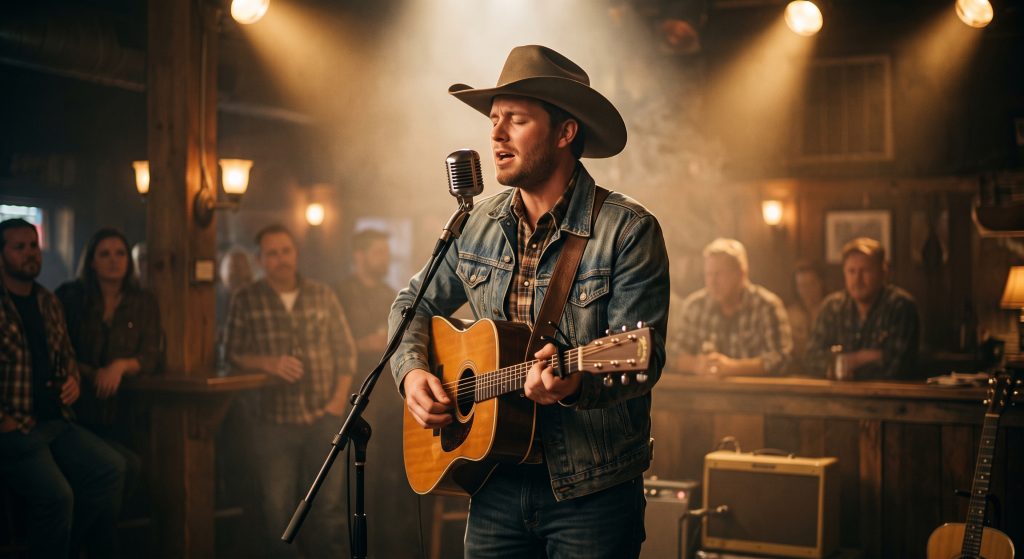
Faced with fractions of a cent per stream, the independent country scene has spearheaded a massive playbook shift. Indie artists are bypassing traditional Nashville gatekeepers to build sustainable, direct-to-fan businesses.
- Direct-to-Fan Ownership: By retaining 100% of their master rights and distributing independently, an artist making $0.004 per stream keeps the vast majority of that revenue, making 10 million streams equal to what a major label artist nets on 100 million.
- Physical Goods & Vinyl: Independent artists are leaning heavily into limited-edition vinyl runs, signed merchandise, and custom goods where profit margins remain significantly higher than digital plays.
- Hyper-Focused Fanbases: Indie acts focus on converting passive streaming listeners into direct community members via SMS fan clubs, exclusive fan-club platforms, and high-margin VIP touring experiences.
By using streaming as a funnel rather than the end destination, the independent country movement has proven that you don’t need a billion streams to build a long-term, lucrative career in country music.
What Do You Think?
As a country music fan, your listening habits directly shape how artists get paid. We want to hear from you:
Do you pay for premium music subscriptions, or do you think streaming services need to restructure their model to pay artists more per play?
Drop your thoughts in the comments below!

Leave a Reply